

When Roles Get Real: The Gap Between Who’s Named in an Estate Plan and Who’s Actually Ready
Creating an estate plan means naming the people you trust most — the ones who will carry out your wishes, manage your affairs, and protect your legacy.
But one of the most overlooked issues in estate planning isn’t the plan itself — it’s the people named in it.
There’s often a quiet disconnect between who’s listed on paper and who’s actually ready to step into that role. Sometimes, the person doesn’t even know they’ve been chosen. Other times, they’re simply not equipped — emotionally or practically — to handle the responsibility.
That gap can quietly unravel even the most carefully designed plan.
Why the Right Roles Matter
When you name someone as your trustee, power of attorney, healthcare agent, or guardian, you’re giving them real authority in what could be a deeply emotional or high-pressure situation.
If they’re not ready, it can cause:
- Delays in estate or trust administration
- Tension or disputes among family members
- Uncertainty in urgent medical decisions
- Refusals to serve — forcing courts or backups to step in
Examples We See Often:
- A son named trustee who lives across the country and doesn’t find out until the trust requires action within days
- A healthcare agent who’s never had a single conversation about end-of-life care
- A guardian going through personal struggles, unsure they can take on the responsibility
- A power of attorney who feels morally uncomfortable managing someone else’s money
These issues aren’t about bad intentions — they’re about lack of preparation. And they’re all avoidable.
How to Close the Gap
If you’ve created a plan:
- Talk to the people you’ve named
- Make sure they understand the role and feel comfortable
- Give them access to your documents and key contacts
- Don’t hesitate to revise your choices if life changes
If you’re a professional advisor:
- Ask your clients not just if they’ve named someone — but if that person is informed and ready
- Encourage a simple, clear conversation that sets expectations before there’s a crisis
Paperwork Doesn’t Protect People — People Do
Estate planning is more than signing documents. It’s about making sure the people behind the plan can carry it out with confidence.
Because when the time comes, it won’t be your paperwork stepping in.
It’ll be your people.
And they deserve the clarity to do it well.
If you Need Help, It Would Be Our Pleasure...
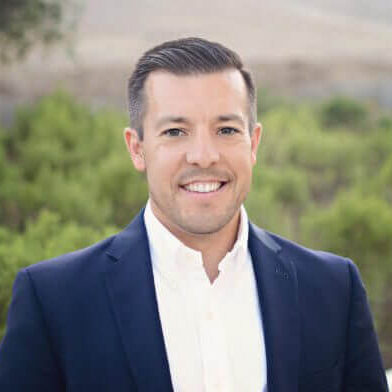
Kevin Snyder is a husband, father, and an Orange County estate planning attorney and elder law attorney at Snyder Law, PC in Irvine, California. He's all about family and passionate about estate planning, elder law, and veterans. He founded Snyder Law to help people be prepared and have the peace of mind they are protecting their families and aging parents for when life happens.