

Power of Attorney Misuse: The Risk That Often Goes Unnoticed
Power of attorney is one of the most important tools in an estate plan.
It is also one of the most misunderstood.
Why It Gets Overlooked
Unlike a trustee, an agent under a power of attorney often operates quietly.
There is no formal oversight.
No regular reporting.
No built-in communication expectations.
Which means issues can develop without immediate visibility.
What We See
In our experience, concerns around powers of attorney tend to surface later—often after patterns have already been established.
It may start as:
- Helping with bill pay
- Managing accounts for convenience
- Stepping in during a temporary situation
And over time, that role can expand.
Not always intentionally. Not always improperly.
But without clear boundaries, it can become difficult to track.
The Advisor’s Position
Advisors are often closest to these relationships.
You may notice:
- Changes in who is directing financial decisions
- New individuals becoming more involved
- Shifts in communication or access
These are important signals.
Why It Matters
Because there is typically less visibility into these roles, concerns may not surface until they are more difficult to address.
Early awareness makes a significant difference.
What We Recommend
We encourage advisors to:
- Understand who holds power of attorney and how that role is being exercised
- Watch for shifts in control or access
- Encourage clear documentation and communication around financial activity
- Bring in legal perspective when something feels unclear
We regularly work with advisors to evaluate these situations and, when needed, put additional structure in place.
Addressing these dynamics early helps protect both the client—and the integrity of the plan.
If you Need Help, It Would Be Our Pleasure...
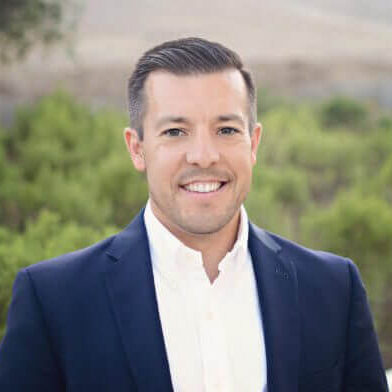
Kevin Snyder is a husband, father, and an Orange County estate planning attorney and elder law attorney at Snyder Law, PC in Irvine, California. He's all about family and passionate about estate planning, elder law, and veterans. He founded Snyder Law to help people be prepared and have the peace of mind they are protecting their families and aging parents for when life happens.