

Life Doesn’t Wait: 2025 Estate Planning Lessons
Estate planning is one of those areas where people feel a sense of relief once the documents are finally in place—but that relief can create a false sense of security. Throughout 2025, we worked with many families who were surprised to learn that even well-crafted plans can fall behind when life keeps moving.
What stood out this year wasn’t dramatic mistakes—it was the quiet, easy-to-miss details. A plan written years ago that no longer reflected the family. A trust created but never funded. A beneficiary forgotten on an old IRA. A key decision-maker who was no longer the best fit. These weren’t unusual situations; they were simply the natural result of life evolving faster than the paperwork.
Here are the issues we saw most often—and why updating your plan regularly matters:
1. Major Life Changes Without Document Updates
Marriages, divorces, new children or grandchildren, and the passing of loved ones all require legal updates, yet many families didn’t realize their documents no longer matched their current reality.
2. Trusts That Were Never Fully Funded
Many people assumed their trust automatically controlled their assets, only to discover that accounts and real estate hadn’t actually been transferred.
3. Missing Backup Decision-Makers
Without alternates named, families ended up struggling when the primary agent became unable or unwilling to serve.
4. Digital Assets With No Instructions
From online banking to crypto and cloud storage, families ran into access problems when no one knew what existed or how to retrieve it.
5. Outdated Beneficiaries
Old retirement accounts and life insurance policies created unintended inheritances or excluded key family members.
The Bottom Line
Estate planning isn’t just about signing documents—it’s about keeping them aligned with your real life. A quick review each year can prevent misunderstandings, protect relationships, and ensure your wishes are actually carried out.
If you Need Help, It Would Be Our Pleasure...
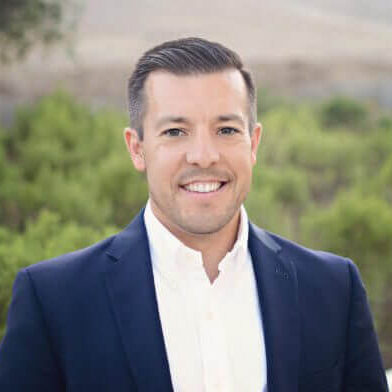
Kevin Snyder is a husband, father, and an Orange County estate planning attorney and elder law attorney at Snyder Law, PC in Irvine, California. He's all about family and passionate about estate planning, elder law, and veterans. He founded Snyder Law to help people be prepared and have the peace of mind they are protecting their families and aging parents for when life happens.