

How Text Messages and Voicemails Shape California Estate Litigation
The Evidence You Didn’t Mean to Leave
A contested will lands in a California probate court. On paper, the case looks like it’s about documents — a will, a trust amendment, maybe a few signatures and dates.
But once the dispute begins, the focus quickly shifts somewhere else.
Attorneys start reviewing something most families never expected would matter in court: text messages, voicemails, emails, and home security recordings from the final years of life.
A casual voicemail left for one child.
A group text that escalated into a family argument.
A Ring doorbell recording capturing a confrontation in the driveway.
A half-written text that was never sent.
Individually, these may have felt informal or forgettable. In probate litigation, they often become key evidence used to understand what was really happening behind a will or trust — and whether it truly reflects the person’s intent.
This is how modern communication is reshaping California estate disputes, and in our experience at Snyder Law, many clients are surprised by just how much weight everyday digital interactions can carry once a case enters litigation.
When Everyday Communication Becomes Legal Evidence
Estate litigation is ultimately about answering difficult questions after someone has passed away:
- What did they intend for their estate?
- Were they acting freely and independently?
- Did someone exert pressure or influence over them?
- Did they fully understand the documents they signed?
Traditionally, courts relied on wills, trust documents, and witness testimony to answer those questions.
Today, the story is often filled in through digital communication.
Text messages, emails, and voicemails can show:
- Shifts in relationships between family members
- Requests for financial help or caregiving dependence
- Conversations about estate planning decisions
- Emotional pressure or isolation
- Conflicting statements about intent
Even tone and timing can matter. A sudden change in communication patterns — or a message sent in a moment of stress — may later become a focal point in court.
Undue Influence in the Age of Smartphones
One of the most common issues in California estate litigation is undue influence — allegations that someone pressured or manipulated a vulnerable person into changing their estate plan.
In the past, these cases depended heavily on memory and testimony.
Now, digital communication often provides a timeline of relationships that either supports or challenges those claims.
For example:
- A caregiver who is frequently messaging the decedent while isolating them from others
- Messages discouraging contact with certain family members
- Repeated conversations about changing a will or trust
- Voicemails showing confusion, dependency, or frustration
Even deleted messages can sometimes be recovered and used as evidence.
The important point is not that texts alone decide a case — but that they often help courts understand the context surrounding a contested estate plan.
Testamentary Intent Is Often Found in Informal Messages
California law requires that a will or trust reflect the true intent of the person creating it. But intent is not always expressed in formal legal documents alone.
It is often reflected in informal communication.
Clients are sometimes surprised to learn that texts or voicemails such as:
- “I’ve already taken care of everything”
- “Don’t worry, you’ll be fine”
- “I changed things because I needed to”
may later be used to support or challenge the validity of estate planning documents.
These messages do not replace a will or trust, but they can influence how a court interprets whether the documents reflect genuine intent or were the result of pressure or misunderstanding.
The Digital Trail Most People Don’t Realize They’re Creating
Modern life leaves behind a continuous record.
Phones, apps, and home devices now routinely preserve:
- Conversations between family members
- Emotional exchanges during caregiving situations
- Conflicts about money, care, or living arrangements
- Statements made during moments of stress or confusion
What feels temporary in the moment often becomes permanent evidence later.
In some cases, a single recording — such as a home security video capturing a family argument — can become central to understanding whether influence or coercion played a role in estate changes.
This is not about surveillance in the traditional sense. It is about how ordinary communication is now preserved by default.
What Clients Should Take Away
For families and individuals planning their estates, the goal is not to overthink every message or conversation. But it is important to understand that informal communication can become part of a legal record if a dispute arises.
A few practical considerations:
- Treat sensitive estate discussions as you would any important legal decision
- Avoid relying on texts or emails to communicate final estate intentions
- Be cautious about informal promises or assurances about inheritance
- Understand that caregiving relationships can become central in later disputes
- Recognize that digital communication may later be reviewed in full context during litigation
For those involved in estate planning, clarity in formal documents is still the strongest protection against disputes.
Final Thought
Estate litigation in California is no longer built only on paper documents. It is often reconstructed from the digital footprints people leave behind — sometimes intentionally, but often without realizing it.
Text messages, voicemails, and everyday communication can provide important insight into intent, relationships, and decision-making at the end of life.
At Snyder Law, we help clients understand not just the legal documents involved in estate disputes, but also how modern communication patterns can shape the outcome of a case — often in ways they never expected.
If you Need Help, It Would Be Our Pleasure...
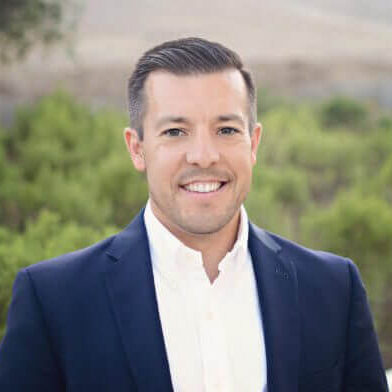
Kevin Snyder is a husband, father, and an Orange County estate planning attorney and elder law attorney at Snyder Law, PC in Irvine, California. He's all about family and passionate about estate planning, elder law, and veterans. He founded Snyder Law to help people be prepared and have the peace of mind they are protecting their families and aging parents for when life happens.