

Crypto, Accounts & the Law: What’s at Risk
We’re long past the days when an estate plan only needed to cover a home, some bank accounts, and personal belongings. Today, a huge portion of our lives—and our financial value—exists online. Yet many plans still overlook digital property entirely, leaving families frustrated and sometimes unable to recover assets.
Unlike traditional property, digital assets don’t come with statements in the mail or clear instructions. Crypto can disappear forever if one password or private key is lost. Online banking, social media, email accounts, cloud photo libraries, and digital subscriptions all require thoughtful planning to ensure access and clarity.
Digital assets include things like:
- Crypto wallets and private keys
- Email and cloud storage
- Online banking, Venmo, PayPal
- Social media accounts
- Subscriptions, rewards points, and apps
Crypto poses some of the most significant risks. Because it’s decentralized and not legally treated like standard property, courts and families often struggle to confirm ownership or retrieve funds. There is no “reset password” button for lost seed phrases. This is why so many people unintentionally pass away leaving thousands—or even millions—in crypto no one can access.
But it isn’t just crypto. Families rely heavily on email for financial records, cloud platforms for important documents, and online accounts for bill payments. Without instructions, access, and legal authority, these assets can become locked or lost.
Planning ahead means creating:
- An inventory of digital accounts
- Secure but accessible storage for credentials
- Clear instructions for what should happen with each platform
- Legal authorization for your trustee or executor
Digital life is real life now. Protecting it is just as important as protecting your home, your accounts, and your legacy.
If you Need Help, It Would Be Our Pleasure...
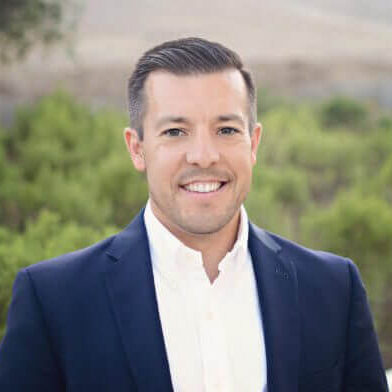
Kevin Snyder is a husband, father, and an Orange County estate planning attorney and elder law attorney at Snyder Law, PC in Irvine, California. He's all about family and passionate about estate planning, elder law, and veterans. He founded Snyder Law to help people be prepared and have the peace of mind they are protecting their families and aging parents for when life happens.