

Control Without Oversight: Where Estate Plans Can Quietly Break Down
On paper, many plans look solid.
The right documents are in place.
The right people are named.
Everything appears to be handled.
And yet, in practice, things can still go sideways.
What We See in Real Life
In our experience, breakdowns often occur not because of what is included—but because of what is missing.
Specifically:
Oversight. Clarity. Structure.
We see situations where:
- One individual has broad authority with little guidance
- Roles are defined legally, but not practically
- No expectations are set around communication or accountability
And over time, that gap starts to show.
The Misconception
There is a common assumption that naming the “right person” solves the problem.
In our experience, it is not just about the person.
It is about the framework they are operating within.
Even well-intentioned individuals can struggle without clear boundaries.
Why This Matters for Advisors
Advisors often work closely with the individuals holding authority.
Which means you may be the first to see:
- Decision-making without clear process
- Hesitation around sharing information
- Increasing reliance on one person without checks in place
These are not always immediate issues—but they are important signals.
What We Recommend
When reviewing a client’s plan, we encourage advisors to look beyond structure and consider:
- Is there clarity around how decisions are made?
- Are there appropriate checks and balances?
- Is communication built into the plan—or assumed?
- Does the structure still fit the client’s current reality?
We often partner with advisors to review these elements and make adjustments where needed.
Small structural changes can significantly reduce risk—both for the client and for the advisor supporting them.
If you Need Help, It Would Be Our Pleasure...
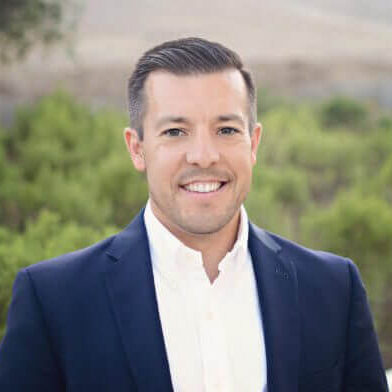
Kevin Snyder is a husband, father, and an Orange County estate planning attorney and elder law attorney at Snyder Law, PC in Irvine, California. He's all about family and passionate about estate planning, elder law, and veterans. He founded Snyder Law to help people be prepared and have the peace of mind they are protecting their families and aging parents for when life happens.